

Journal of Pharmaceutics & Pharmacology
Download PDF
 Figure 1: Myrica esculenta plants.
 Figure 2: GC Chromatogarm of M. esculenta.
The volatile constituents were identified by comparing their mass spectra and calculated retention indices (RIs) with those reported in the literature and available spectral libraries [20]. Retention indices were calculated relative to a homologous series of n-alkanes according to the method of Kovats [21].
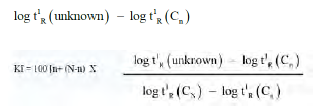
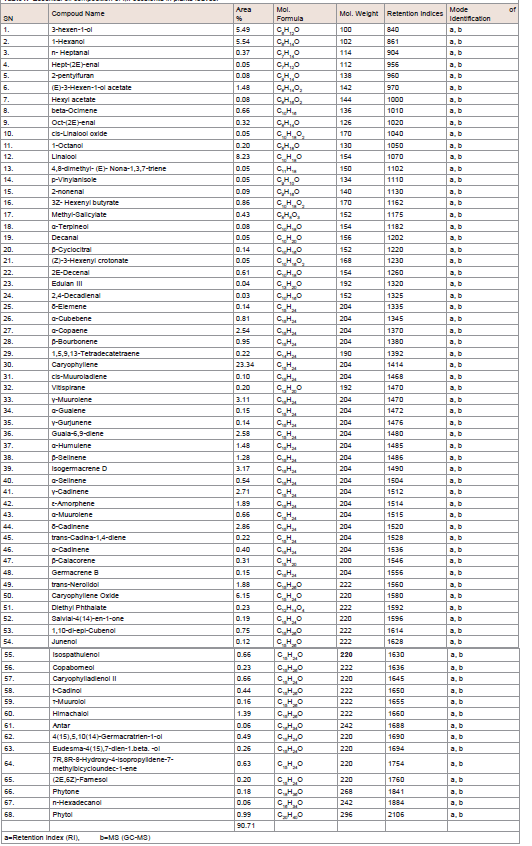 Table1: Essential oil composition of M. esculenta in plants leaves.
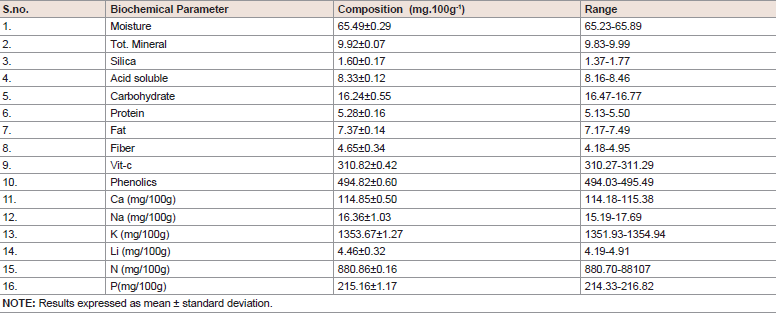 Table 2: Nutrients composition investigated in fruits of M. Esculenta.
Research Article
GC–MS Phytochemical Profiling and Nutritional Evaluation of Myrica esculenta from Narayan Nagar, Uttarakhand Himalaya, India
Prasad K1*, Kumar R2, Singh T3 and Kumari P1
1.Department of Chemistry, Sant Narayan Swamy Government
Post Graduate College Narayan Nagar, Pithoragarh,
Uttarakhand, India.
2.Department of Zoology, Sant Narayan Swamy Government Post Graduate College Narayan Nagar, Pithoragarh, Uttarakhand, India.
3.Department of Botany, Sant Narayan Swamy Government Post Graduate College Narayan Nagar, Pithoragarh, Uttarakhand, India.
2.Department of Zoology, Sant Narayan Swamy Government Post Graduate College Narayan Nagar, Pithoragarh, Uttarakhand, India.
3.Department of Botany, Sant Narayan Swamy Government Post Graduate College Narayan Nagar, Pithoragarh, Uttarakhand, India.
Address for Correspondence:Prasad K, Department of Chemistry, Sant Narayan Swamy
Government Post Graduate College Narayan Nagar, Pithoragarh, Uttarakhand, India.
Email Id: drkundanprasad@gpgcnarayannagar.ac.in
Submission: 26 June 2026
Accepted: 29 July 2026
Published: 31 July 2026
Copyright: ©2025 Prasad K. This is an open access article distributed
under the Creative Commons Attribution License, which permits
unrestricted use, distribution, and reproduction in any medium, provided
the original work is properly cited.
Keywords:GC-MS, Biochemical; phytochemicals and Minerals; Myrica
esculenta
Abstract
Background:Kafal (Myrica esculenta) is an economically
valuable wild fruit species native to the Kumaun Himalaya, where it
plays a significant role in sustaining the livelihoods of forest-dependent
communities. The fruits command a favorable market price, and their
seasonal harvesting and marketing constitute an important source of
household income for rural populations.
Methods:The aerial parts of Myrica esculenta (leaves and stems) were subjected to hydrodistillation for 12 h using a Clevenger-type apparatus for the extraction of essential oil. The mineral content of the plant material was determined after wet acid digestion using standard analytical procedures.
Results:A total of sixty-eight compounds were identified constituting 90.71% of the total oil. The main compounds were Caryophyllene (23.34), Linalool (8.23), Caryophyllene Oxide (6.15), 1-Hexanol (5.54), 3-hexen-1-ol (5.49), Isogermacrene D (3.17), γ-Muurolene (3.11) and δ-Cadinene (2.86). Nutrient contents are was found to Carbohydrate 16.24±0.55mg.100 g-1, Protein 5.28±0.16 and Fat were 7.37±0.14 on a dry weight basis. Overall, the fruit of M. esculenta contains high levels of moisture, carbohydrates, protein, fat, and fiber, as well as exceptionally high amounts of vitamin C, phenolic compounds, and potassium.
Conclusion:The findings of the present study indicate that the aerial parts (leaves and stems) of Myrica esculenta represent a valuable source of essential oil, whereas the dried fruits possess high levels of minerals and bioactive phytochemicals. Collectively, these results underscore the potential of M. esculenta as a multifunctional natural resource for applications in the pharmaceutical, nutraceutical, and food sectors.
Methods:The aerial parts of Myrica esculenta (leaves and stems) were subjected to hydrodistillation for 12 h using a Clevenger-type apparatus for the extraction of essential oil. The mineral content of the plant material was determined after wet acid digestion using standard analytical procedures.
Results:A total of sixty-eight compounds were identified constituting 90.71% of the total oil. The main compounds were Caryophyllene (23.34), Linalool (8.23), Caryophyllene Oxide (6.15), 1-Hexanol (5.54), 3-hexen-1-ol (5.49), Isogermacrene D (3.17), γ-Muurolene (3.11) and δ-Cadinene (2.86). Nutrient contents are was found to Carbohydrate 16.24±0.55mg.100 g-1, Protein 5.28±0.16 and Fat were 7.37±0.14 on a dry weight basis. Overall, the fruit of M. esculenta contains high levels of moisture, carbohydrates, protein, fat, and fiber, as well as exceptionally high amounts of vitamin C, phenolic compounds, and potassium.
Conclusion:The findings of the present study indicate that the aerial parts (leaves and stems) of Myrica esculenta represent a valuable source of essential oil, whereas the dried fruits possess high levels of minerals and bioactive phytochemicals. Collectively, these results underscore the potential of M. esculenta as a multifunctional natural resource for applications in the pharmaceutical, nutraceutical, and food sectors.
Keywords:GC-MS, Biochemical; phytochemicals and Minerals; Myrica
esculenta
Introduction
Medicinal plants have played a pivotal role in the development of
human civilization and healthcare systems throughout history. They
have served as a primary source of therapeutic agents across diverse
cultures and continue to be an integral component of traditional
medicine. Owing to their rich diversity of bioactive compounds,
medicinal plants have contributed significantly to the discovery
and development of numerous modern pharmaceuticals [1]. The
Himalayan region in India is particularly known for its diverse
range of edible plants, with over 670 different species. M. esculenta
is valued because it has many health benefits and good nutritional
value [2]. This plant is important for its traditional uses and medicinal
properties. The plant, locally known as “Kaphal,” has considerable
cultural and medicinal importance in these regions. It has been
traditionally used for centuries to treat various health conditions,
including gastrointestinal disorders, respiratory problems, and skin
diseases [3].
Myrica esculenta is a naturally occurring forest species whose
fruits are harvested directly from wild populations, eliminating the
need for cultivation, irrigation, fertilizers, or other agricultural inputs.
The low production and harvesting costs associated with its collection
enhance its economic value, making it an important source of income
for forest-dependent communities. Accordingly, M. esculenta is
regarded as a high-value Non-Timber Forest Product (NTFP) that
plays a significant role in supporting rural livelihoods, enhancing
household income, and promoting the socio-economic resilience of
communities across the Kumaun Himalayan region.
Myrica esculenta is a nutritionally important wild fruit species
indigenous to the Himalayan region, producing highly perishable
fruits during the April–June fruiting season. Owing to their rich
nutritional profile and diverse bioactive constituents, the fruits have
been extensively utilized in traditional Ayurvedic medicine and are
incorporated into numerous herbal formulations for the prevention
and management of a variety of ailments [4]. M. esculenta is a tree
that belongs to the family Myricaceae [5]. Studies have demonstrated
that methanolic extracts of M. esculenta leaves significantly lower
blood glucose, blood cholesterol, and body weight in diabetic rats [6].
The fruits and roots of Myrica esculenta are widely used in
traditional Ayurvedic medicine and constitute important ingredients
in several herbal formulations, including Chyawanprash and Brahma
Rasayan. These formulations are prescribed to promote digestion,
enhance memory and concentration, improve cognitive function,
and increase physical vitality [2]. According to traditional literature,
the oil extracted from the flowers of Myrica esculenta has been used
as a tonic and is employed in the management of conditions such as
paralysis, headache, earache, and diarrhea [7].
Previous studies have demonstrated that the antioxidant activity
Previous studies have demonstrated that the antioxidant activity
of Myrica esculenta extracts is primarily attributed to their high
concentrations of flavonoids and phenolic acids, which constitute
the major bioactive compounds responsible for their free radical
scavenging properties [8-10]. In addition to their antioxidant
potential, experimental and preclinical studies have reported a
broad spectrum of pharmacological activities associated with M.
esculenta extracts, including analgesic and anti-asthmatic [11],
anticancer [12], antidepressant [13], antidiabetic [6], antidiarrheal
[14], antihypertensive, anti-inflammatory, and antimicrobial [4],
antipyretic [10, 15], as well as chemopreventive and hepatoprotective
activities [15, 16].
The fruits of Myrica esculenta have been reported to exhibit
hepatoprotective [17] and antihypertensive activities [18]. In
addition, preclinical studies have suggested that fruit extracts possess
promising anticancer potential, highlighting their prospective
therapeutic applications in cancer management [12]. Furthermore,
the ethanolic bark extract has demonstrated wound-healing activity
in experimental studies, supporting its traditional use in wound
management [19].
In the villages of Ogla, Charma, and Narayan Nagar, local communities harvest substantial quantities of Myrica esculenta fruits from nearby forests, and their sale constitutes an important source of household income and livelihood. Given its considerable medicinal, nutritional, and economic significance, the present study investigates the antioxidant potential, aromatic oil composition, and nutraceutical constituents of the aerial parts and fruits of M. esculenta. The findings are expected to provide valuable insights into the phytochemical profile of this underutilized species and support its sustainable utilization as a potential source of bioactive compounds for pharmaceutical, nutraceutical, and functional food applications.
In the villages of Ogla, Charma, and Narayan Nagar, local communities harvest substantial quantities of Myrica esculenta fruits from nearby forests, and their sale constitutes an important source of household income and livelihood. Given its considerable medicinal, nutritional, and economic significance, the present study investigates the antioxidant potential, aromatic oil composition, and nutraceutical constituents of the aerial parts and fruits of M. esculenta. The findings are expected to provide valuable insights into the phytochemical profile of this underutilized species and support its sustainable utilization as a potential source of bioactive compounds for pharmaceutical, nutraceutical, and functional food applications.
Materials and Methods
Plant Material:
The aerial parts of Myrica esculenta were collected in September
2025 from the campus of Narayan Nagar Government Degree
College, Pithoragarh, Uttarakhand, India, located in the Indian
Himalayan region. The plant material was taxonomically identified
and authenticated by the Department of Botany, Soban Singh Jeena
University, Government Post Graduate College (SNS GPGC),
Narayan Nagar, Pithoragarh. Following collection, the samples were
thoroughly washed with cold water to remove adhering soil and
other extraneous matter, and subsequently shade-dried at ambient
temperature until a constant weight was achieved. The dried material
was then pulverized into a fine powder using a laboratory grinder
and accurately weighed using an electronic analytical balance prior
to further analysis.
Chemicals:
All chemicals, reference standards, and reagents used in this
study were of analytical grade and were purchased from Merck Life
Science Pvt. Ltd., India, through the Government e-Marketplace
(GeM) portal.
Isolation of essential oil:
The aerial parts of Myrica esculenta (leaves and small stems) were
subjected to hydrodistillation for 8 hours using a Clevenger-type
apparatus to extract the essential oil. The obtained oil was dried over
anhydrous sodium sulfate to remove residual moisture and stored in
sealed amber glass vials at room temperature until further analysis.
The essential oil yield (%) was calculated on a dry weight basis and
expressed as the percentage (v/w) of oil obtained relative to the dry
weight of the plant material.
GC and GC/MS analyses and identification:
The chemical composition of the essential oil was analysed using
gas chromatography coupled with flame ionization detection (GC–
FID) and gas chromatography–mass spectrometry (GC–MS) on a
Shimadzu QP-2010 Plus system equipped with a flame ionization
detector (FID). Chromatographic separation was achieved on an Rtx-
5MS fused-silica capillary column (30 m × 0.25 mm i.d., 0.25 μm film
thickness). Helium (99.999% purity) was employed as the carrier gas
at a constant flow rate of 1.21 mL min⁻¹ (69.0 kPa). 1 μL aliquot of the
essential oil diluted in n-hexane was injected in spitless mode. The
injector and interface temperatures were maintained at 270 °C. The
oven temperature was programmed from 50 to 280 °C at a heating rate
of 3 °C min⁻¹. Mass spectra were acquired under electron ionization
(EI) at 70 eV, with the ion source temperature maintained at 230 °C.
GC–FID analyses were performed under identical chromatographic
conditions, and the relative percentage composition of individual
constituents was calculated from the GC peak areas without applying
response-factor corrections.The volatile constituents were identified by comparing their mass spectra and calculated retention indices (RIs) with those reported in the literature and available spectral libraries [20]. Retention indices were calculated relative to a homologous series of n-alkanes according to the method of Kovats [21].
t1R – the net retention time (tR – t0)
t0 – the retention time of solvent (dead time)
tR – the retention time of the compound.
CN – number of carbons in longer chain of alkane
Cn– number of carbons in shorter chain of alkane
n - is the number of carbon atoms in the smaller alkane
N - is the number of carbon atoms in the larger alkane
t0 – the retention time of solvent (dead time)
tR – the retention time of the compound.
CN – number of carbons in longer chain of alkane
Cn– number of carbons in shorter chain of alkane
n - is the number of carbon atoms in the smaller alkane
N - is the number of carbon atoms in the larger alkane
Total phenolic:
The whole plant was dried in shade and powdered using electrical
grinder. The amount of total phenolic content was estimated
following [22] with modification. The reaction mixture contained
100 Dl of sample extract, 500 Dl Folins-Ciocalteu’s reagent (freshly
prepared), 2 ml of 20% Sodium Carbonate and 5 ml of distilled water.
After 15min reaction at 450C the absorbance at 650 nm was measured
using spectrophotometer. The result was expressed as mg of Catechol
equivalent per 100 g of dry weight.
Biochemical analysis:
The moisture content was estimated by drying in electrical oven
at 80 0C for 24 hours and expressed on a percentage basis. The dried
leaves were powdered separately in electric mill to 60 mesh size. The
fine fruits powders so obtained was used for further biochemical
and mineral analysis (three replication of each parameter). Total
carbohydrate content in plant fruits was estimated by the [23]. Total
nitrogen was estimated by Micro-Kjeldahl method, according to
AOAC method [24]. Crude protein was calculated as Kjeldahl N
x 6.25 (based on assumption that nitrogen constitutes 16.0% of a
protein). The content of crude fat was estimated by AOAC method
[25].
Mineral analysis:
Ash content was estimated by AOAC method, [24] and ash
insoluble content was estimated by method [26, 27]. Mineral content
in plant was estimated by wet digestion method. 1.0 g plant material
was first digested with conc. HNO3 (5 ml each), followed by application
of 15 ml of tri-acid mixture (HNO3, HClO4 and H2SO4, 10:4:1, v/v)
heated at 200 0C and reduce to 1 ml. The residue after digestion was
dissolved in double distilled water, filtered and diluted to 100 ml. This
solution was used for the estimation of minerals. Macro minerals viz.,
Na, K, Ca and Li was estimated by AIMIL, Flame Photometer.
Ascorbic acid:
Ascorbic acid content was estimated by method [28] with
modification. Dry leaves powder (2.0 g) was extracted with 4% oxalic
acid and made up to 100 ml and centrifuged at 10,000 rpm for a 10
minute. 5 ml supernatant liquid was transferred in a conical flask,
followed by addition of 10 ml 4% oxalic acid and titrated against
standard dye solution (2, 6-dichlorophenol indophenol) to a pink end
point. The procedure was repeated with a blank solution omitting the
sample.
Statistical analysis of data:
The results were statistically analyzed and expressed as mean
(n = 3) ± standard deviation. All experiments were performed in
triplicates and the data expressed as mean ± SD using the Microsoft
Excel 2016 spreadsheet.
Results and Discussion
Hydrodistillation of the aerial parts of Myrica esculenta afforded
an essential oil yield of 0.15% (w/w), based on the fresh weight of
the plant material. Comprehensive GC–FID and GC–MS analyses
identified 68 volatile constituents, accounting for 90.71% of the
total essential oil composition (Table 1). The oil was characterized
predominantly by sesquiterpene hydrocarbons and oxygenated
sesquiterpenes, whereas monoterpenes, oxygenated monoterpenes,
aliphatic alcohols, aldehydes, and their corresponding esters were
detected in comparatively lower abundances.
The essential oil was characterized by a predominance of
sesquiterpene hydrocarbons. the major constituent was identified
as, Caryophyllene (23.34%), linalool (8.23%) and caryophyllene
oxide (6.15%). Other relatively abundant compounds included
1-hexanol (5.54%), 3-hexen-1-ol (5.49%), isogermacrene D (3.17%),
γ-muurolene (3.11%), δ-cadinene (2.86%), γ-cadinene (2.71%),
guaia-6,9-diene (2.58%), and α-copaene (2.54%). These compounds
collectively contribute to the characteristic aroma and biological
properties of the oil.
caryophyllene was found to be effective against gastrointestinal disease caused due to Helicobacter pylori infection. A randomized double-blind placebo-controlled study has reported that administration of 126 mg β-caryophyllene daily for 8 weeks showed significant anti-inflammatory properties by downregulating the level of IL-1β. It further improved conditions of nausea, epigastric pain and dyspepsia associated with the disease thereby proving that it can stand as a potential therapy against inflammation and gastrointestinal ailments [29, 30].
caryophyllene was found to be effective against gastrointestinal disease caused due to Helicobacter pylori infection. A randomized double-blind placebo-controlled study has reported that administration of 126 mg β-caryophyllene daily for 8 weeks showed significant anti-inflammatory properties by downregulating the level of IL-1β. It further improved conditions of nausea, epigastric pain and dyspepsia associated with the disease thereby proving that it can stand as a potential therapy against inflammation and gastrointestinal ailments [29, 30].
The dominance of caryophyllene and its oxygenated derivative,
caryophyllene oxide, is noteworthy because both compounds have
been widely reported to possess anti-inflammatory, antimicrobial,
antioxidant, and insecticidal activities. Caryophyllene is a common
sesquiterpene found in numerous aromatic and medicinal plants
and is often associated with therapeutic applications. Similarly,
caryophyllene oxide has been recognized as an important bioactive
constituent with significant pharmacological potential [31].
Among the oxygenated monoterpenes, linalool was the most abundant component (8.23%). Linalool is known for its pleasant floral aroma and has been reported to exhibit antimicrobial, antioxidant, anxiolytic, and anti-inflammatory activities [32].
Several sesquiterpene hydrocarbons were identified in significant quantities, including α-copaene, β-bourbonene, α-humulene, β-selinene, γ-muurolene, γ-cadinene, and δ-cadinene. These compounds are commonly found in the essential oils of medicinal plants and are linked to a variety of ecological and biological functions, such as plant defence mechanisms against pathogens and herbivores.
The presence of oxygenated sesquiterpenes, such as transnerolidol, himachalol, t-cadinol, cubenol derivatives, and farnesol, significantly enhances the biological importance of the oil. Oxygenated terpenoids are generally recognized for their substantial contribution to the antimicrobial and antioxidant properties of essential oils. This is mainly due to their greater chemical reactivity compared to their hydrocarbon counterparts [33, 34].
Among the oxygenated monoterpenes, linalool was the most abundant component (8.23%). Linalool is known for its pleasant floral aroma and has been reported to exhibit antimicrobial, antioxidant, anxiolytic, and anti-inflammatory activities [32].
Several sesquiterpene hydrocarbons were identified in significant quantities, including α-copaene, β-bourbonene, α-humulene, β-selinene, γ-muurolene, γ-cadinene, and δ-cadinene. These compounds are commonly found in the essential oils of medicinal plants and are linked to a variety of ecological and biological functions, such as plant defence mechanisms against pathogens and herbivores.
The presence of oxygenated sesquiterpenes, such as transnerolidol, himachalol, t-cadinol, cubenol derivatives, and farnesol, significantly enhances the biological importance of the oil. Oxygenated terpenoids are generally recognized for their substantial contribution to the antimicrobial and antioxidant properties of essential oils. This is mainly due to their greater chemical reactivity compared to their hydrocarbon counterparts [33, 34].
The essential oil of M. esculenta has a chemically diverse
composition, with a notable dominance of sesquiterpenes,
particularly caryophyllene and caryophyllene oxide. Additionally, it
contains significant amounts of linalool and green leaf volatiles. The
presence of these bioactive compounds suggests that the oil may have
substantial pharmacological and industrial potential, supporting the
traditional medicinal uses of the plant. Further research focused on
the biological activities and therapeutic applications of the essential
oil is necessary to confirm its medicinal value.
Both, the major as well as minor constituents were identified by
their retention indices and comparison of their mass spectra.
The fruit of M. esculenta has a nutrient-dense biochemical profile,
highlighted by significant levels of moisture, macronutrients, minerals,
vitamin C, and phenolic compounds (Table 2). The moisture content
was found 65.49 ± 0.29 % in fresh fruits, indicating that the fruit tissue
is well-hydrated and physiologically active. The shelf-life and stability
of food components are primarily determined by their moisture
content. A low moisture content suggests that food products have a
longer shelf life and are less susceptible to microbial contamination
[35]. The elemental evaluation of the wild-harvested sub-Himalayan
bio-resource Myrica esculenta (Kafal) demonstrated a distinct, highdensity
mineral. On a dry weight basis, the total mineral ash was
quantified at 9.92 ± 0.07 g/100g, which accurately mirrors structural
parameters noted across underutilized wild mountain fruits [36]. The
fruit also silica at (1.80±0.12 mg/100 g) and acid-soluble fraction at
(8.33±0.12 mg/100 g) respectively, on a dry weight basis. The ash
content in these fruits was notably high, indicating a significant
concentration of essential mineral nutrients. These minerals act as
inorganic cofactors in various metabolic processes [37].
In terms of proximate constituents, the carbohydrate content
was measured (16.24 0.55 g / 100 g), while fat recorded (7.37±0.14
g /100 g) and protein was recorded (5.28±0.16 g/ 100g). The energy
content of fruits was determined by multiplying the crude protein,
crude lipid and total carbohydrate content by the factor 4, 9 and 4
respectively [38]. The calorific values of the plant leaves were found
152.38 K.Cal/100 g. The relatively high protein level of M. esculenta
fruits could make it a useful supplement to diets. Dietary proteins play
an important role in the manufacturing and safeguarding of certain
organic materials necessary for the smooth functioning of the human
body. Proteins also serve the purpose of enzymatic catalyst and
mediate metabolic and energy regulation [39]. Carbohydrate content
was the highest nutritional composition. The high carbohydrate
content makes it rich source of energy, and this could be used to
enhance the energy content of diets [40]. The overall energy derived
from M. esculenta fruits sample calculated was 152.38 kcal/100g
which is below the recommended daily energy value. Therefore M.
esculenta as a low energy food source maybe very helpful in weight
management programmes as used by traditional practitioners. Fiber
at (4.65±0.34 g/100 g) all based on a dry weight basis. The relatively
high fibre content prevents constipation by facilitates peristaltic
movement and aids the absorption of certain minerals in the gut and
reduces cholesterol absorption [41].
The M. esculenta fruits collected from Charma showed a better
nutritional composition and bioactive profile. The vitamin C
concentration was found (310.82±0.42 mg/100g). Total phenolic
content (TPC) was found 494.82 ± 0.60 mg/100 g. Ascorbic acid,
commonly known as vitamin C, is a biologically active compound
primarily found in plant-based products, particularly in leafy
vegetables and citrus fruits [42]. This vitamin is regarded as the most
abundant water-soluble antioxidant in plants (Rufino et al., 2010).
The levels of ascorbic acid can vary based on factors such as the
plant species, the stage of maturity, environmental conditions, and
storage practices, as this vitamin is highly unstable [42, 43]. The dry
fruits are show M. esculenta are good source of Vitamin-C. Phenolic
compounds can be classified into two main categories: water-soluble
compounds, such as phenolic acids and flavonoids, and water in soluble
compounds, including tannins and lignins. Both groups
have significant bioactive potential and are found in all wild fruits
[44-46]. This study indicates that M. esculenta dry fruits contain
measurable (494.82 ± 0.60 mg/100 g) amounts of phenolics.
Minerals are essential in human nutrition for the overall physical
and mental health, as well as important constituents of nerve cells,
bones, teeth, tissues, muscles, and blood. The mineral analysis
potassium (K) was founds (1353.67 ± 1.27 mg/100g), sodium (Na) was
measured at (16.36±1.03 mg/per 100g). The micromineral spectrum
was heavily dominated by Potassium (1353.67 ± 1.27 mg/100g),
whereas Sodium was trace (16.36 ± 1.03 mg/100g), culminating in
an exceptional therapeutic K/Na ratio of 82.74. This remarkably high
index positions M. esculenta as an optimal functional food ingredient
for managing hypertension and fluid homeostasis. Sodium is very
important mineral element involved in the transmission of nerve
impulse as well as maintenance of osmotic pressure of body fluids.
Deficiency of sodium cause dehydration and muscle cramps [47].
Potassium plays an important role in water as well as acid-base balance
in the body. It is also responsible for maintaining cardiac rhythm,
nerve action and functioning of muscles. Deficiency of potassium
cause muscle paralysis [48]. In the present investigation of Myrica
esculenta, we found a nitrogen (N) concentration of 880.86 ± 0.16 mg
per 100 grams and a phosphorus (P) concentration of 215.16 ± 1.17
mg per 100 grams, based on dry weight. The relatively low standard
deviations indicate high analytical precision and limited variability
among the replicate measurements, which supports the reliability of
these mineral estimates.
The mineral analysis revealed the presence of calcium (Ca) and
lithium (Li) in the dried fruits of Myrica esculenta, with calcium
and lithium contents of 114.85 ± 0.50 mg/100 g and 4.46 ± 0.32
mg/100 g, respectively. Calcium is an essential mineral involved in
various physiological functions, including muscle contraction, nerve
transmission, blood coagulation, cellular permeability regulation,
and maintenance of skeletal structure [49, 50].
Conclusion
The present study demonstrates that Myrica esculenta is a
valuable bioresource with significant essential oil, nutritional,
and functional properties. The aerial parts of the plant represent a
promising source of chemically diverse essential oil enriched with
bioactive terpenoid constituents, which may contribute to its reported
pharmacological potential, including antioxidant, antimicrobial, and
anti-inflammatory activities. The fruits exhibited a rich biochemical
and mineral profile, highlighting their nutritional importance and
potential role as a functional food ingredient.
Acknowledgement
The authors are grateful to Dr Ajay Kumar, AIRF, Jawaharlal
Nehru University, New Delhi for the Gas Chromatography coupled
with Mass Spectrometry (GC-MS).
Abbreviations
The following abbreviations are used in this manuscript.
GC-MS gas chromatography/mass spectrometry
GC-FID gas chromatography/flame ionization detector
RI: retention index
References
Citation
Prasad K, Kumar R, Singh T, Kumari P. GC–MS Phytochemical Profiling and Nutritional Evaluation of Myrica esculenta from Narayan Nagar, Uttarakhand Himalaya, India. J Pharma Pharmacol. 2026; 12(1): 1.