

Advances in Diabetes & Endocrinology
Download PDF
Vitamin D contributes to glucose homeostasis by supporting pancreatic β-cell function and improving peripheral insulin sensitivity. Deficiency may impair insulin secretion, reduce glucose uptake in skeletal muscle and adipose tissue, and promote metabolic dysregulation. In addition, hypovitaminosis D is associated with increased inflammatory cytokine activity and oxidative stress, both of which contribute to endothelial dysfunction and vascular injury in diabetes.
Vitamin D deficiency is particularly common in obese individuals because vitamin D becomes sequestered within adipose tissue, reducing circulating bioavailable levels. As a result, obesity and vitamin D deficiency frequently coexist in patients with T2DM and may synergistically worsen metabolic dysfunction.
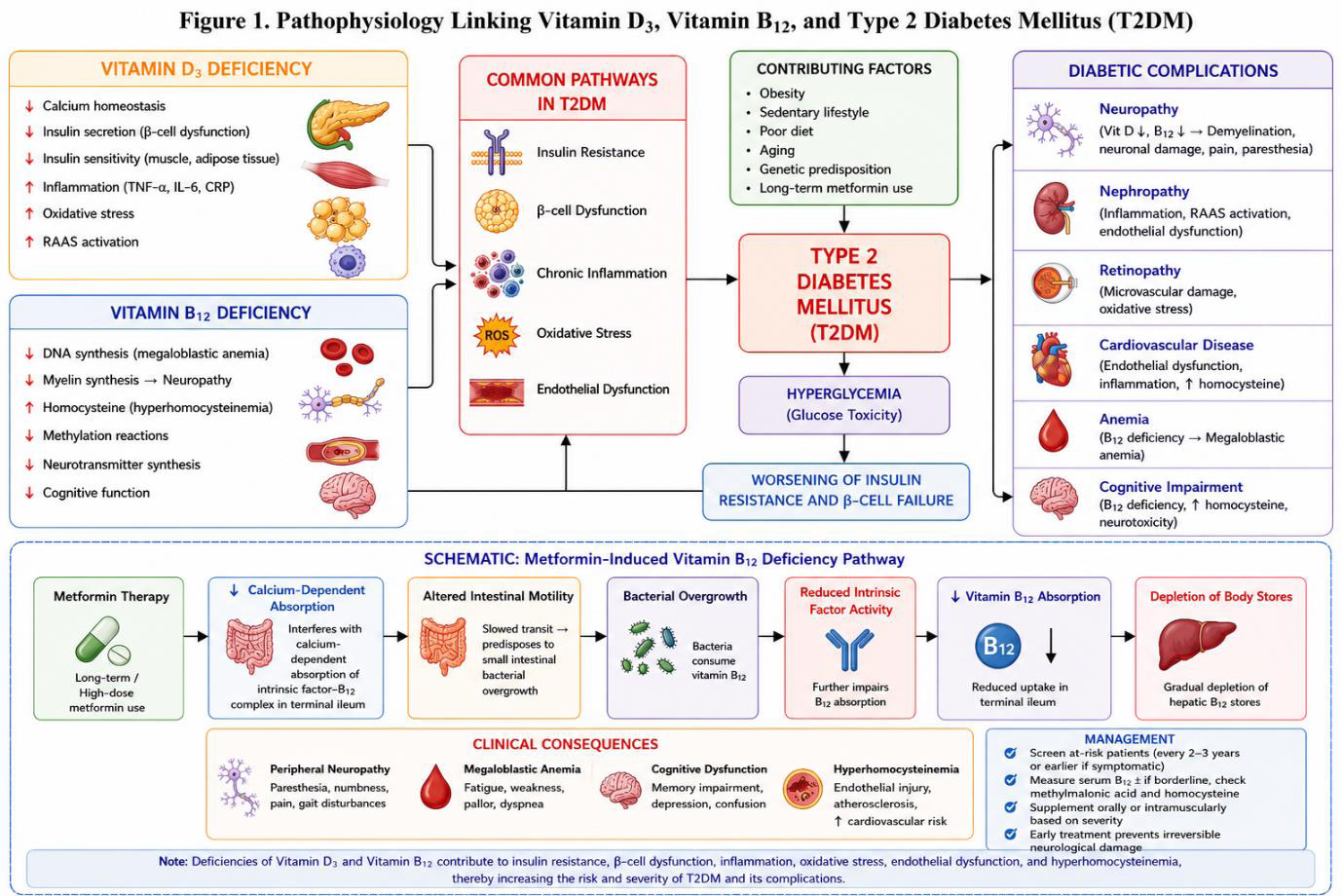 Figure 1: Pathophophysiology Linking Vitamin D3 , Vitamin B12, and Type 2 Diabetes Mellitus (T2DM)).
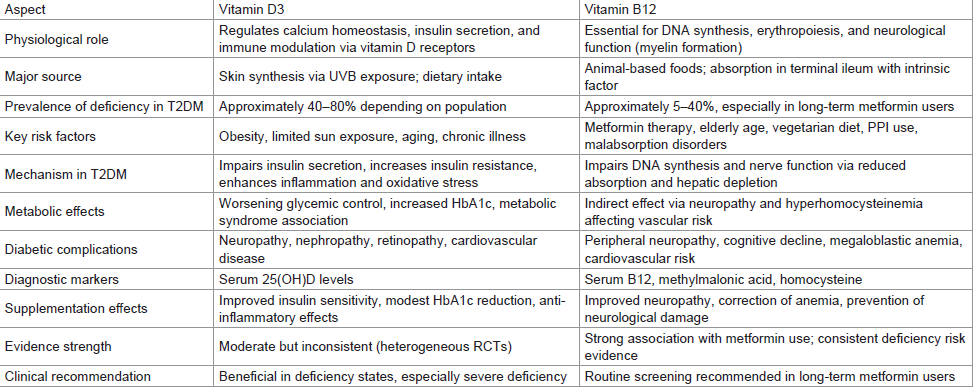 Table 1: Role of Vitamin D3 and Vitamin B12 in Type 2 Diabetes Mellitus (T2DM).
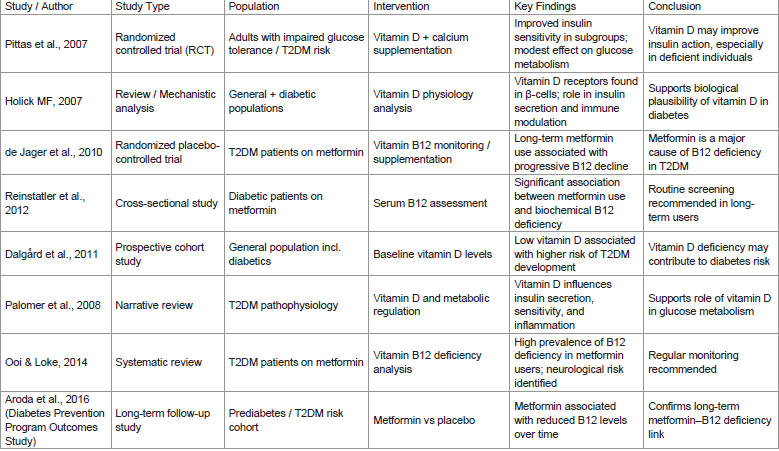 Table 2: Key Clinical Trials and Studies on Vitamin D3 and Vitamin B12 in Type 2 Diabetes Mellitus (T2DM).
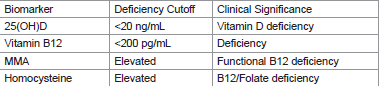 Table 3: Biomarkers of Vitamin D and B12 deficiency.
Vitamin B12 deficiency impairs myelin synthesis and neuronal repair, resulting in demyelination and progressive nerve damage. Patients may present with paresthesia, numbness, burning sensations, gait disturbances, and impaired proprioception. In diabetic individuals, vitamin B12 deficiency neuropathy may overlap with diabetic neuropathy, making diagnosis challenging. Early recognition and supplementation may improve symptoms and prevent irreversible neurological injury.
Patients with obesity, sedentary lifestyle, poor nutritional intake, aging, chronic illness, and prolonged metformin therapy are particularly susceptible to dual micronutrient deficiency. These interacting abnormalities contribute to worsening metabolic control and increased complication burden.
Early identification and correction of vitamin D3 and vitamin B12 deficiencies may improve glycemic control, reduce inflammation, support neuronal function, and potentially slow progression of diabetic complications. illustrates the pathophysiological relationship linking vitamin D3 deficiency, vitamin B12 deficiency, and T2DM; and (Table 1) summarizes the roles of vitamin D3 and vitamin B12 in T2DM.
The Endocrine Society recommends measurement of serum 25-hydroxyvitamin D [25(OH)D] levels in individuals at risk of deficiency, including patients with obesity, limited sun exposure, malabsorption syndromes, and chronic metabolic diseases such as diabetes mellitus. Vitamin D deficiency is generally defined as serum 25(OH)D levels below 20 ng/mL (50 nmol/L), insufficiency as 21–29 ng/mL, and sufficiency as levels ≥30 ng/mL (75 nmol/L). Supplementation is advised in deficient individuals, particularly those at risk for metabolic, skeletal, and cardiovascular complications.
Review Article
Vitamin D3 and Vitamin B12 in Type 2 Diabetes Mellitus: Implications for Glycemic Control and Diabetic Complications-A Narrative Review
Sibi Das*
Department of Medicine, NC Medical College, Israna, Panipat, Haryana, India.
*Address for Correspondence:Dr. Sibi Das, Department of Medicine, NC Medical College,
Israna, Panipat, Haryana, India. E-mail Id: sdsilvanose@gmail.com
Submission: 25 May, 2026
Accepted: 18 June, 2026
Published: 20 June, 2026
Copyright: © 2026 Das S. This is an open access article
distributed under the Creative Commons Attribution License,
which permits unrestricted use, distribution, and reproduction
in any medium, provided the original work is properly cited.
Abstract
Type 2 diabetes mellitus (T2DM) is a major global metabolic disorder associated
with significant morbidity, mortality, and healthcare burden. Beyond hyperglycemia
and insulin resistance, growing evidence indicates that micronutrient deficiencies,
particularly vitamin D3 and vitamin B12 deficiencies, contribute substantially to
the pathogenesis, progression, and complications of T2DM. This narrative review
summarizes current evidence regarding the epidemiology, pathophysiological
mechanisms, clinical implications, and therapeutic significance of vitamin D3 and
vitamin B12 in patients with T2DM. Vitamin D3 plays an essential role in glucose
homeostasis through modulation of pancreatic β-cell function, insulin secretion, insulin
sensitivity, and inflammatory responses. Deficiency of vitamin D3 has been associated
with poor glycemic control, increased insulin resistance, endothelial dysfunction, and
higher risk of diabetic microvascular and macrovascular complications.
Vitamin B12 deficiency is also highly prevalent among patients with T2DM, especially in individuals receiving long-term metformin therapy. Chronic vitamin B12 deficiency may result in peripheral neuropathy, megaloblastic anaemia, cognitive impairment, and elevated cardiovascular risk due to hyperhomocysteinemia. Importantly, vitamin B12 deficiency-related neuropathy may overlap with diabetic neuropathy, potentially leading to underdiagnosis and delayed treatment.
Recent clinical studies suggest that combined deficiencies of vitamin D3 and vitamin B12 may adversely influence metabolic control and accelerate diabetic complications. Early identification and correction of these deficiencies may improve insulin sensitivity, glycemic status, neuropathic symptoms, and overall quality of life in diabetic patients.
This review discusses the epidemiological associations, underlying pathophysiological mechanisms, clinical implications, and therapeutic significance of vitamin D3 and vitamin B12 in type 2 diabetes mellitus. The review also highlights the importance of routine micronutrient assessment as part of comprehensive diabetes management strategies.
Vitamin B12 deficiency is also highly prevalent among patients with T2DM, especially in individuals receiving long-term metformin therapy. Chronic vitamin B12 deficiency may result in peripheral neuropathy, megaloblastic anaemia, cognitive impairment, and elevated cardiovascular risk due to hyperhomocysteinemia. Importantly, vitamin B12 deficiency-related neuropathy may overlap with diabetic neuropathy, potentially leading to underdiagnosis and delayed treatment.
Recent clinical studies suggest that combined deficiencies of vitamin D3 and vitamin B12 may adversely influence metabolic control and accelerate diabetic complications. Early identification and correction of these deficiencies may improve insulin sensitivity, glycemic status, neuropathic symptoms, and overall quality of life in diabetic patients.
This review discusses the epidemiological associations, underlying pathophysiological mechanisms, clinical implications, and therapeutic significance of vitamin D3 and vitamin B12 in type 2 diabetes mellitus. The review also highlights the importance of routine micronutrient assessment as part of comprehensive diabetes management strategies.
Introduction
Type 2 diabetes mellitus (T2DM) is one of the most prevalent
chronic metabolic disorders worldwide and represents a major public
health challenge. According to the International Diabetes Federation
(IDF) Diabetes Atlas, 10th Edition, approximately 537 million
adults were living with diabetes globally in 2021, with projections
suggesting a substantial increase over the coming decades. T2DM
accounts for nearly 90–95% of all diabetes cases and is characterized
by chronic hyperglycemia resulting from insulin resistance, impaired
insulin secretion, and progressive pancreatic β-cell dysfunction.
Persistent metabolic dysregulation contributes to the development
of microvascular and macrovascular complications, including
nephropathy, retinopathy, neuropathy, cardiovascular disease, and
stroke.
While genetic susceptibility, obesity, sedentary lifestyle,
and unhealthy dietary habits remain major contributors to
T2DM, increasing attention has been directed toward the role of
micronutrient deficiencies in disease progression and complication
burden. Among these, vitamin D3 and vitamin B12 deficiencies have
emerged as clinically significant because of their association with
metabolic control, vascular health, and neurological function.
Vitamin D3 deficiency is highly prevalent among individuals with
T2DM and has been associated with impaired glucose homeostasis,
insulin resistance, and increased inflammatory activity. Similarly,
vitamin B12 deficiency is frequently observed in diabetic patients,
particularly among those receiving prolonged metformin therapy.
Reduced vitamin B12 levels may contribute to peripheral neuropathy,
hematological abnormalities, cognitive dysfunction, and elevated
cardiovascular risk.
The coexistence of vitamin D3 and vitamin B12 deficiencies may
further aggravate metabolic and vascular dysfunction in T2DM.
Consequently, assessment of micronutrient status is increasingly being recognized as an important component of comprehensive diabetes care. This review summarizes current evidence regarding the epidemiology, pathophysiological associations, clinical implications, and therapeutic relevance of vitamin D3 and vitamin B12 in T2DM. The objective of this narrative review is to critically examine the current evidence regarding the role of vitamin D3 and vitamin B12 in T2DM, with particular emphasis on their epidemiology, biological mechanisms, impact on glycemic control, association with diabetic complications, and therapeutic implications. The review also evaluates the strengths and limitations of existing clinical evidence and discusses current recommendations for screening and supplementation in diabetic populations.
Consequently, assessment of micronutrient status is increasingly being recognized as an important component of comprehensive diabetes care. This review summarizes current evidence regarding the epidemiology, pathophysiological associations, clinical implications, and therapeutic relevance of vitamin D3 and vitamin B12 in T2DM. The objective of this narrative review is to critically examine the current evidence regarding the role of vitamin D3 and vitamin B12 in T2DM, with particular emphasis on their epidemiology, biological mechanisms, impact on glycemic control, association with diabetic complications, and therapeutic implications. The review also evaluates the strengths and limitations of existing clinical evidence and discusses current recommendations for screening and supplementation in diabetic populations.
Vitamin D3 and Type 2 Diabetes Mellitus
Physiology of Vitamin D3:
Vitamin D3 (cholecalciferol) is a fat-soluble vitamin synthesized
in the skin following exposure to ultraviolet B radiation and obtained
in smaller amounts through dietary intake. It undergoes hydroxylation
in the liver to form 25-hydroxyvitamin D [25(OH)D], the major
circulating form used to assess vitamin D status. Subsequently,
25(OH)D is converted in the kidneys by the enzyme 1α-hydroxylase
(CYP27B1) into its biologically active form, 1,25-dihydroxyvitamin D
[1,25(OH)2D]. The enzyme CYP24A1 regulates vitamin D catabolism
and maintains physiological homeostasis by degrading active vitamin
D metabolites.
The biological effects of vitamin D are mediated through vitamin
D receptors (VDRs), which are expressed in pancreatic β-cells, skeletal
muscle, adipose tissue, vascular endothelium, and immune cells. In
patients with diabetic kidney disease, impaired renal function may
reduce CYP27B1 activity and limit synthesis of active 1,25(OH)2D,
thereby exacerbating vitamin D deficiency and its metabolic
consequences. These observations support the potential relevance of
vitamin D metabolism in the pathophysiology and complications of
T2DM.
Association Between Vitamin D3 Deficiency and T2DM:
Several epidemiological studies have demonstrated a high
prevalence of vitamin D deficiency among patients with type 2
diabetes mellitus (T2DM). Low serum vitamin D levels have been
associated with poor glycemic control, increased insulin resistance,
obesity, metabolic syndrome, chronic inflammation, and higher risk
of diabetic complications.Vitamin D contributes to glucose homeostasis by supporting pancreatic β-cell function and improving peripheral insulin sensitivity. Deficiency may impair insulin secretion, reduce glucose uptake in skeletal muscle and adipose tissue, and promote metabolic dysregulation. In addition, hypovitaminosis D is associated with increased inflammatory cytokine activity and oxidative stress, both of which contribute to endothelial dysfunction and vascular injury in diabetes.
Vitamin D deficiency is particularly common in obese individuals because vitamin D becomes sequestered within adipose tissue, reducing circulating bioavailable levels. As a result, obesity and vitamin D deficiency frequently coexist in patients with T2DM and may synergistically worsen metabolic dysfunction.
Mechanisms Linking Vitamin D3 with T2DM
Impaired Insulin Secretion:
Pancreatic β-cells contain vitamin D receptors and calciumbinding
proteins essential for insulin exocytosis. Vitamin D helps
maintain intracellular calcium homeostasis required for normal
insulin release. Deficiency may therefore impair β-cell function and
reduce insulin secretion.
Increased Insulin Resistance:
Vitamin D enhances insulin receptor expression and improves
insulin responsiveness in peripheral tissues. Reduced vitamin D levels
may decrease glucose uptake in muscle and adipose tissue, thereby
contributing to insulin resistance.
Chronic Inflammation:
Vitamin D possesses anti-inflammatory and immunomodulatory
properties. Deficiency may increase production of pro-inflammatory
cytokines such as tumor necrosis factor-alpha (TNF-α) and
interleukin-6 (IL-6), which are known to worsen insulin resistance
and endothelial dysfunction.
Oxidative Stress and Endothelial Dysfunction:
Vitamin D may help reduce oxidative stress through modulation
of antioxidant pathways. Deficiency contributes to endothelial
dysfunction, vascular inflammation, and oxidative injury, which
play central roles in diabetic microvascular and macrovascular
complications.
Vitamin D3 and Diabetic Complications
Diabetic Neuropathy:
Diabetic peripheral neuropathy is a common complication of
T2DM resulting from chronic hyperglycemia, oxidative stress, and
microvascular injury. Low vitamin D levels have been associated
with increased severity of neuropathic pain and sensory dysfunction.
Vitamin D possesses neuroprotective properties and may support
nerve growth factor synthesis and neuronal repair. Deficiency may
therefore contribute to paresthesia, numbness, burning sensations,
and impaired nerve conduction. Several studies have reported
improvement in neuropathic symptoms following vitamin D
supplementation in deficient patients.
Diabetic Nephropathy:
Vitamin D deficiency has been implicated in the progression of
diabetic nephropathy through activation of the renin–angiotensin–
aldosterone system (RAAS), promotion of inflammation, and
enhancement of renal fibrosis. Low vitamin D levels have been
associated with albuminuria, declining estimated glomerular filtration
rate (eGFR), and accelerated chronic kidney disease progression.
Vitamin D receptor activation may additionally exert renoprotective
effects by reducing inflammatory cytokine activity and mesangial cell
proliferation.
Cardiovascular Disease:
Cardiovascular disease remains the leading cause of morbidity
and mortality in T2DM. Hypovitaminosis D has been linked
with hypertension, endothelial dysfunction, arterial stiffness,
dyslipidemia, and accelerated atherosclerosis. Vitamin D influences
vascular smooth muscle activity, endothelial nitric oxide production,
and inflammatory pathways involved in cardiovascular regulation.
Observational studies have demonstrated associations between low
vitamin D levels and increased risk of ischemic heart disease, stroke,
heart failure, and cardiovascular mortality in diabetic individuals.
Diabetic Retinopathy:
Diabetic retinopathy is a progressive microvascular complication
characterized by retinal ischemia, capillary damage, and abnormal
angiogenesis. Vitamin D deficiency may contribute to retinal vascular
injury through inflammatory and oxidative mechanisms. Low
vitamin D levels have been associated with increased retinal vascular
permeability and greater severity of diabetic retinopathy. Although
causality remains under investigation, adequate vitamin D status may
help preserve retinal vascular integrity and reduce progression of
diabetic eye disease.
Vitamin D Supplementation in T2DM
Several interventional studies have evaluated the effects of vitamin
D supplementation in patients with T2DM. Meta-analyses and
randomized controlled trials have reported modest improvements
in insulin sensitivity, fasting blood glucose, and HbA1c, particularly
among individuals with documented vitamin D deficiency. However,
the magnitude of benefit has generally been small and inconsistent
across studies.
Large-scale randomized trials, including the VITAL study and findings from the D-HEALTH program, have not consistently demonstrated clinically meaningful improvements in glycemic outcomes among vitamin D–replete individuals. Variability in outcomes may be attributable to differences in baseline vitamin D status, supplementation dosage, treatment duration, ethnicity, obesity prevalence, and study design. Current evidence therefore suggests that vitamin D supplementation is most likely to benefit patients with confirmed deficiency, poor glycemic control, or increased risk of diabetic complications, rather than serving as a universal therapeutic strategy for all patients with T2DM.
Large-scale randomized trials, including the VITAL study and findings from the D-HEALTH program, have not consistently demonstrated clinically meaningful improvements in glycemic outcomes among vitamin D–replete individuals. Variability in outcomes may be attributable to differences in baseline vitamin D status, supplementation dosage, treatment duration, ethnicity, obesity prevalence, and study design. Current evidence therefore suggests that vitamin D supplementation is most likely to benefit patients with confirmed deficiency, poor glycemic control, or increased risk of diabetic complications, rather than serving as a universal therapeutic strategy for all patients with T2DM.
Limitations of Current Evidence and Randomized Controlled Trials
Although numerous observational studies have demonstrated
associations between low vitamin D levels and poor glycemic
control, insulin resistance, and diabetic complications, causality
remains uncertain. Individuals with obesity, sedentary lifestyles,
chronic illness, and poor nutritional status are more likely to have
both vitamin D deficiency and adverse metabolic outcomes, creating
potential confounding.
Randomized controlled trials have produced less consistent findings than observational studies. Large studies such as the VITAL trial and other contemporary vitamin D supplementation trials have generally failed to demonstrate substantial improvements in glycemic control among participants without significant baseline vitamin D deficiency. Similarly, several meta-analyses have reported only modest reductions in fasting plasma glucose and HbA1c, with benefits being most apparent in patients who are vitamin D deficient at baseline.
These findings suggest that vitamin D deficiency may function both as a biomarker of poor metabolic health and as a potentially modifiable risk factor. Current evidence supports targeted supplementation in deficient individuals rather than universal supplementation for all patients with T2DM.
Randomized controlled trials have produced less consistent findings than observational studies. Large studies such as the VITAL trial and other contemporary vitamin D supplementation trials have generally failed to demonstrate substantial improvements in glycemic control among participants without significant baseline vitamin D deficiency. Similarly, several meta-analyses have reported only modest reductions in fasting plasma glucose and HbA1c, with benefits being most apparent in patients who are vitamin D deficient at baseline.
These findings suggest that vitamin D deficiency may function both as a biomarker of poor metabolic health and as a potentially modifiable risk factor. Current evidence supports targeted supplementation in deficient individuals rather than universal supplementation for all patients with T2DM.
Vitamin B12 and Type 2 Diabetes Mellitus
Physiology of Vitamin B12:
Vitamin B12 (cobalamin) is a water-soluble vitamin essential
for DNA synthesis, erythropoiesis, methylation reactions, and
neurological function. It plays a critical role in myelin formation and
neuron maintenance. Dietary vitamin B12 is absorbed in the terminal
ileum after binding to intrinsic factors secreted by gastric parietal
cells.
Vitamin B12 Deficiency in T2DM:
Vitamin B12 deficiency is common among patients with T2DM,
particularly in individuals receiving long-term metformin therapy.
Reported prevalence ranges from 5% to 40% depending on study
population, duration of therapy, and diagnostic criteria. Metformin
interferes with calcium-dependent absorption of the intrinsic factor–
vitamin B12 complex in the terminal ileum, leading to gradual
depletion of hepatic vitamin B12 stores.
Additional risk factors include advanced age, vegetarian diet,
gastrointestinal disorders, and concomitant use of proton pump
inhibitors. Because deficiency may remain clinically silent for years,
routine monitoring is increasingly recommended in high-risk
diabetic patients.
Mechanisms of Metformin-Induced Vitamin B12 Deficiency:
Metformin-associated vitamin B12 deficiency primarily results
from impaired intestinal absorption of the intrinsic factor–vitamin
B12 complex. Additional proposed mechanisms include altered
intestinal motility, bacterial overgrowth, and reduced intrinsic factor
activity. Prolonged and high-dose metformin therapy significantly
increases the likelihood of biochemical and clinical deficiency.
Clinical Consequences of Vitamin B12 Deficiency:
Peripheral NeuropathyVitamin B12 deficiency impairs myelin synthesis and neuronal repair, resulting in demyelination and progressive nerve damage. Patients may present with paresthesia, numbness, burning sensations, gait disturbances, and impaired proprioception. In diabetic individuals, vitamin B12 deficiency neuropathy may overlap with diabetic neuropathy, making diagnosis challenging. Early recognition and supplementation may improve symptoms and prevent irreversible neurological injury.
Megaloblastic Anemia:
Vitamin B12 deficiency disrupts DNA synthesis and
erythropoiesis, resulting in macrocytic anemia characterized by
elevated mean corpuscular volume (MCV) and hyper segmented
neutrophils. Clinical manifestations include fatigue, pallor, weakness,
dyspnea, and reduced exercise tolerance.
Cognitive Dysfunction:
Vitamin B12 is necessary for normal neurotransmitter synthesis
and central nervous system function. Deficiency has been associated
with memory impairment, depression, mood disturbances, poor
concentration, and progressive neurocognitive decline. Elderly
diabetic patients are particularly vulnerable because both aging and
diabetes independently increase cognitive risk.
Hyperhomocysteinemia:
Vitamin B12 functions as a cofactor in homocysteine metabolism.
Deficiency leads to accumulation of homocysteine, which contributes
to oxidative stress, endothelial dysfunction, thrombosis, and
atherosclerosis. In patients with T2DM, hyperhomocysteinemia may
further increase cardiovascular and cerebrovascular risk.
Combined Impact of Vitamin D3 and Vitamin B12 Deficiency in T2DM:
Simultaneous deficiency of vitamin D3 and vitamin B12 may
exert synergistic adverse effects in patients with T2DM. Vitamin D
deficiency predominantly contributes to insulin resistance, chronic
inflammation, and endothelial dysfunction, whereas vitamin B12
deficiency primarily affects neurological integrity and vascular health.
Together, these deficiencies may accelerate progression of diabetic
neuropathy, nephropathy, retinopathy, and cardiovascular disease.Patients with obesity, sedentary lifestyle, poor nutritional intake, aging, chronic illness, and prolonged metformin therapy are particularly susceptible to dual micronutrient deficiency. These interacting abnormalities contribute to worsening metabolic control and increased complication burden.
Early identification and correction of vitamin D3 and vitamin B12 deficiencies may improve glycemic control, reduce inflammation, support neuronal function, and potentially slow progression of diabetic complications. illustrates the pathophysiological relationship linking vitamin D3 deficiency, vitamin B12 deficiency, and T2DM; and (Table 1) summarizes the roles of vitamin D3 and vitamin B12 in T2DM.
Clinical Implications:
Assessment of vitamin D3 and vitamin B12 status in patients with
type 2 diabetes mellitus may provide important clinical advantages
in routine diabetic care. Early identification and timely correction of
deficiencies may help improve metabolic control, reduce neuropathic
symptoms, enhance overall quality of life, lower the risk of long-term
diabetic complications, and reduce the overall healthcare burden.
Therefore, individualized supplementation strategies should be
incorporated into comprehensive and multidisciplinary diabetes
management protocols. (Table 2) outlines key clinical trials and
studies evaluating their clinical significance.
Clinical Guidelines and Screening Recommendations:
Current clinical practice guidelines increasingly recognize the
importance of micronutrient assessment in patients with type 2
diabetes mellitus (T2DM), particularly regarding vitamin D3 and
vitamin B12 status. The American Diabetes Association (ADA)
supports individualized evaluation of factors contributing to poor
glycemic control and diabetic complications and acknowledges the
association between long-term metformin therapy and vitamin B12
deficiency. Accordingly, periodic assessment of vitamin B12 levels is
recommended in at-risk individuals, especially those presenting with
anemia, neuropathy, or cognitive impairment.The Endocrine Society recommends measurement of serum 25-hydroxyvitamin D [25(OH)D] levels in individuals at risk of deficiency, including patients with obesity, limited sun exposure, malabsorption syndromes, and chronic metabolic diseases such as diabetes mellitus. Vitamin D deficiency is generally defined as serum 25(OH)D levels below 20 ng/mL (50 nmol/L), insufficiency as 21–29 ng/mL, and sufficiency as levels ≥30 ng/mL (75 nmol/L). Supplementation is advised in deficient individuals, particularly those at risk for metabolic, skeletal, and cardiovascular complications.
For vitamin B12, serum levels below 200 pg/mL are typically
considered deficient, while levels between 200–300 pg/mL are
regarded as borderline. In such cases, additional biomarkers including
methylmalonic acid and homocysteine may improve diagnostic
accuracy, particularly in early or subclinical deficiency states (Table
3). Risk-based screening is especially important in elderly diabetic
patients, individuals receiving prolonged metformin therapy,
and patients with neuropathic manifestations or hematological
abnormalities.
Vitamin B12 supplementation may be administered orally
or intramuscularly depending on the severity of deficiency and
neurological involvement. Early treatment has been shown to
improve neuropathic symptoms, correct megaloblastic anaemia, and
reduce the risk of irreversible neurological damage. Some studies
further suggest that combined supplementation with folic acid and
B-complex vitamins may enhance neurological recovery and improve
overall nerve function.
Overall, current recommendations favour a targeted screening
approach rather than universal testing. Early identification and
correction of vitamin D3 and vitamin B12 deficiencies may improve
metabolic outcomes, reduce diabetic complications, and support
comprehensive long-term management of T2DM.
Future Perspectives:
Further large-scale randomized controlled trials are required
to establish optimal vitamin D dosing regimens, determine longterm
clinical benefits of supplementation, and develop standardized
screening guidelines for micronutrient assessment in diabetes care.
Additionally, more evidence is needed to clarify the relationship
between vitamin status and the progression of diabetic complications,
as well as to evaluate the combined therapeutic effects of vitamin
D3 and vitamin B12 supplementation. The integration of precision
medicine approaches incorporating nutritional biomarkers may
significantly improve future strategies for individualized diabetes
management.
Conclusion
Vitamin D3 and vitamin B12 deficiencies are highly prevalent
among patients with type 2 diabetes mellitus and play important
roles in metabolic dysfunction and diabetic complications. Vitamin
D3 deficiency contributes to impaired insulin secretion, insulin
resistance, inflammation, and vascular dysfunction, whereas vitamin
B12 deficiency—commonly associated with long-term metformin
use—predisposes patients to neuropathy, anemia, and neurocognitive
impairment. Early identification and appropriate supplementation
of these deficiencies may improve glycemic control, reduce
complications, and enhance overall patient outcomes. Incorporating
routine assessment of vitamin D3 and vitamin B12 into diabetic care
protocols may provide a cost-effective strategy for improving longterm
management of T2DM.
References
Citation
Das S. Vitamin D3 and Vitamin B12 in Type 2 Diabetes Mellitus: Implications for Glycemic Control and Diabetic Complications-A Narrative Review. Adv Diabetes Endocrinol 2026;9(1): 1.